


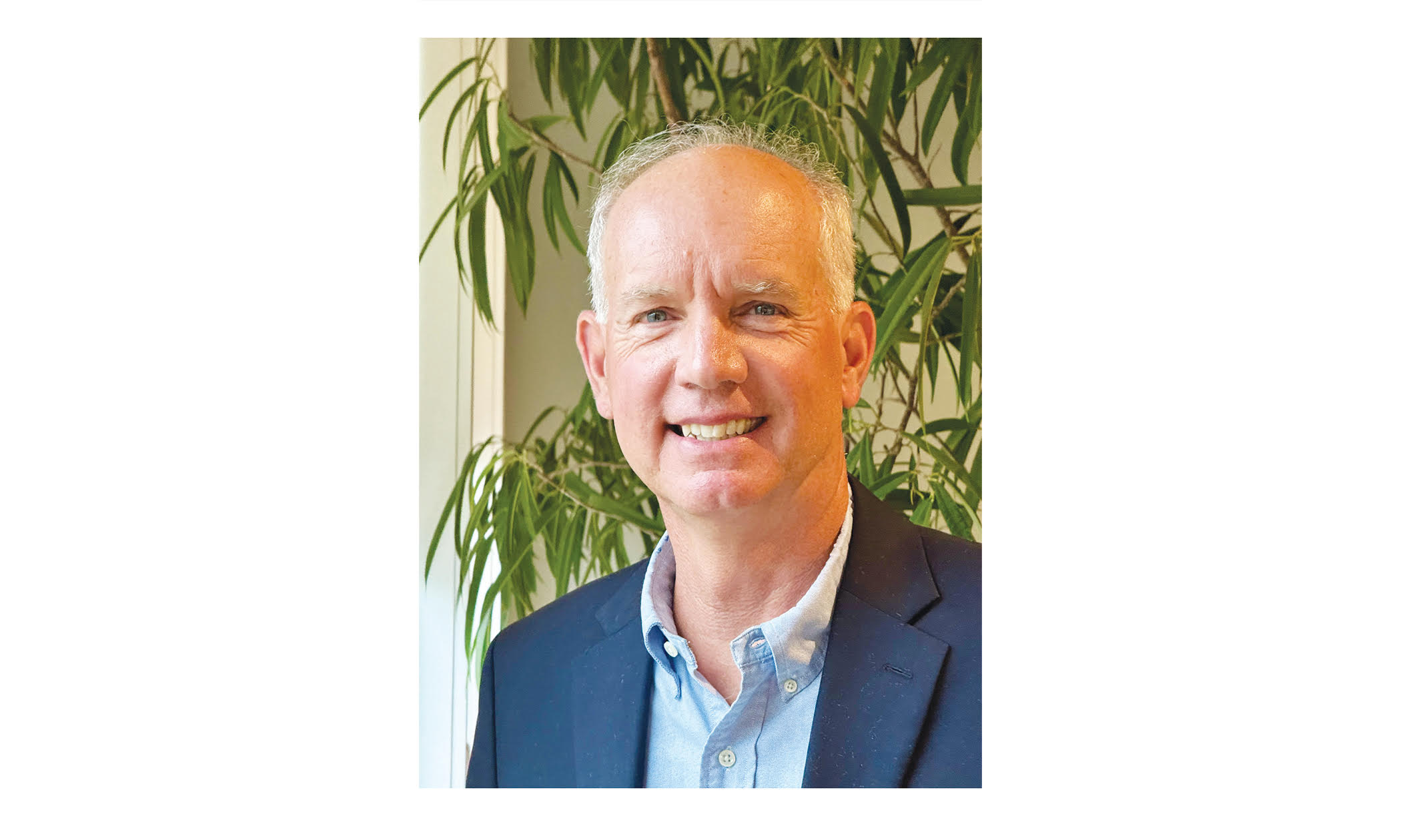
BY DELEGATE ROB BLOXOM, guest columnist —
There were numerous provisions in the budget that fall under the category of legislating through the budget process.
The one I want to discuss today is the two-year study funded at $1 million per year to determine whether there is such a thing in nature as a territorial subspecies within the greater menhaden population.
To explain how we arrived at this point, I first need to go back and review some of the legislative history surrounding menhaden management.
When I was first elected, menhaden was the only fish species regulated directly by the General Assembly.
Each year, the Atlantic States Marine Fisheries Commission established the coastwide quota, and the General Assembly would adopt Virginia’s allocation by placing it into the Code of Virginia.
Every year, Richmond would be filled with recreational fishermen advocating for an end to the reduction fishery altogether.
Committee meetings typically lasted about an hour. The common refrain was that politicians should not regulate fish; experts at the Virginia Marine Resources Commission should.
After each side was given equal time to present its position, a vote would be taken, Virginia’s quota would be placed into the state code, and the debate would end for another year. This process repeated itself annually after the ASMFC established the harvest quota.
About 10 years ago, conservation organizations adopted a different strategy.
Instead of focusing solely on the overall quota, they sought to limit where menhaden could be harvested within the Chesapeake Bay by dividing the quota into separate bay and ocean allocations.
An arbitrary limit of 80,000 metric tons was established for the bay with the remainder required to be harvested in the ocean. There was never conclusive research demonstrating that this split was either necessary or effective.
That strategy proved successful, and over the following years the bay allocation was further reduced to 51,000 metric tons.
Once again, the issue became the subject of annual debates in Richmond. Throughout those debates, the consistent argument was that menhaden management should be transferred from the General Assembly to the VMRC.
I voted against these restrictions because I saw no scientific evidence that they were necessary as long as the coastwide menhaden population remained strong.
I also opposed transferring management authority to the VMRC. Unfortunately, my concerns have proven well founded.
Menhaden management has consumed the VMRC’s time with continual public meetings and hearings. The agency has become so overwhelmed that many of its other fisheries management responsibilities have taken a back seat.
Today, many services provided by the VMRC take months, if not years, to complete.
This brings us to the various studies that different groups have proposed over the years.
Most relied heavily on computer modeling. While these models have considerable potential, I was unwilling to support decisions based on an untested model.
My experience with computer modeling dates back more than 30 years to the Total Maximum Daily Load models used by the U.S. Environmental Protection Agency to develop strategies for improving water quality.
It has only been within the last few years that those models have begun to closely mirror real-time monitoring data, and even then there is generally about a one-year lag.
The models improved with each iteration as scientists refined their assumptions and methods. After roughly 30 versions, they now do a reasonably good job of forecasting.
That brings us to this year’s study. The ASMFC assembled and funded a panel of five world-renowned menhaden experts to develop a comprehensive research plan.
The methodology and scope of the study were agreed upon by all parties. To be clear, the Virginia Institute of Marine Science has acknowledged that this is not a two-year project.
The ASMFC has consistently stated that this research should span approximately 10 years.
I supported this approach and voted in favor of the governor’s amendment, which is now law.
Over the next few weeks, I will continue discussing other aspects of the biennium budget. As always, I welcome your questions or concerns. Please contact my district office at 757-824-3456 or email me at [email protected].